







Search Results for: blend ratios
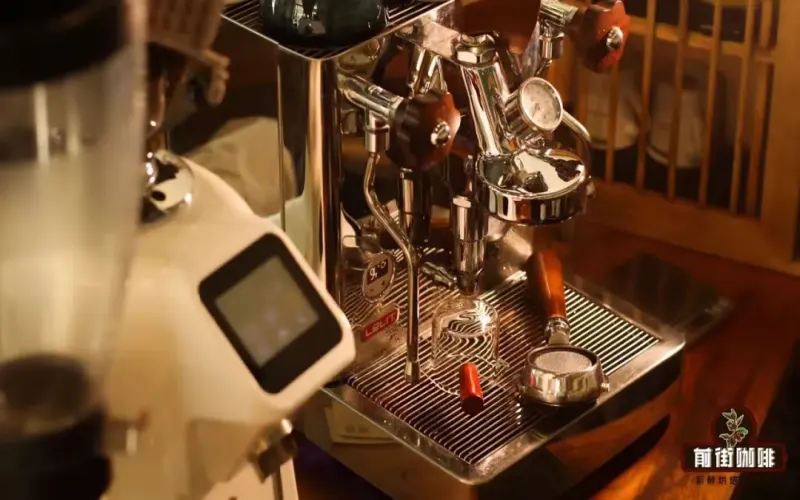
From Flavor Positioning to Ratio Debugging: A Complete Design Framework and Practical Methods for Espresso Blends
Blending coffee is not simply mixing beans together, but a systematic design built around three major goals: cost control, flavor creation, and consistency in the cup. Drawing on Front Street Coffee's practical experience, this article examines the trade-offs between two approaches—blending raw beans and blending roasted beans—and analyzes the roles that varieties such as Brazil Cerrado, Costa Rica Tarrazú, Colombia Huila, and Ethiopia Yirgacheffe play in a blend. It then designs three recipes with Yirgacheffe as the lead note for a cupping comparison, further fine-tunes the ratios, and verifies them on an espresso machine, ultimately arriving at a blend that balances flavor integrity with mouthfeel performance. [more…]
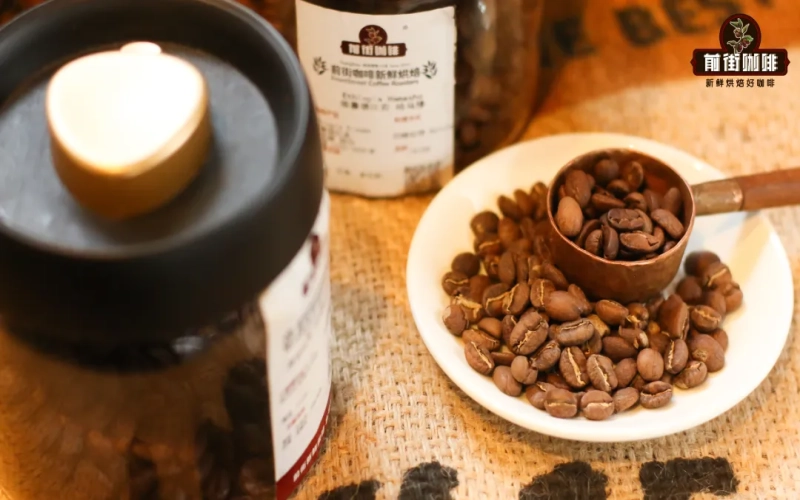
Espresso and Pour-Over Coffee Liquid Blending Methods: A Comprehensive Analysis of Ratio Options and Practical Parameters
Coffee blending usually refers to mixing different coffee beans, but have you ever thought about blending separately brewed coffee liquids? This approach is not only feasible but also extremely flexible—each bean can be extracted individually using its optimal parameters, then blended in proportions as needed, trying different combinations in small batches. Front Street Coffee uses Xizhua and Guodingding as examples to share specific ideas for coffee liquid blending: beans with a heavier fermented character paired with washed-process coffee can both balance the fermented notes and improve cleanliness. The article provides detailed flavor descriptions for two blending ratios, 1:1 and 1:2.5, along with brewing parameters and key operational points, suitable for coffee enthusiasts to try at home. [more…]

How to Determine the Espresso Coffee Grounds-to-Water Ratio? A Complete Analysis of Four Front Street Coffee Espresso Blends: Flavors and Brewing Methods
Want to make a decent espresso at home? The coffee-to-water ratio is one of the most critical parameters. This article draws on the hands-on experience of Front Street Coffee, first explaining why espresso mostly uses blend beans rather than single-origin beans, then explaining how the dose is limited by the basket capacity, why a 1:2 coffee-to-liquid ratio is regarded as the golden ratio, and how too much or too little coffee grounds affects flow rate and flavor. It then introduces, one by one, the four espresso blend beans currently offered by Front Street—Sunflower Warm Sun, Specialty Blend, Commercial Blend, and Dark Cocoa Blend—including their recipe proportions, flavor descriptions, and target drinkers. Finally, it supplements the ways to taste espresso, helping you understand why it emphasizes mouthfeel, aroma, and finish rather than distinguishing temperature changes like pour-over. [more…]
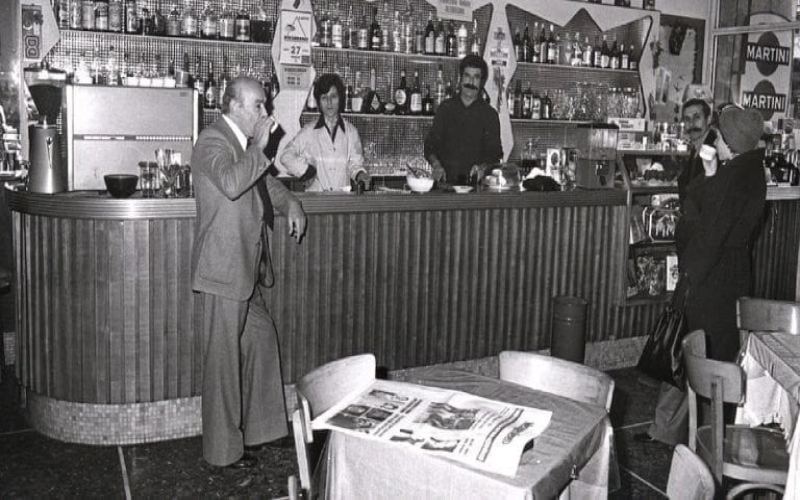
Espresso Brewing Parameters Explained: Dose, Time, Grind Size, and Ratio, with Budget Bean Recommendations for Office and Home
Espresso is the foundation of the Italian coffee system; whether it's a cappuccino, a latte, or a mocha, none can do without a properly extracted espresso base. This article provides a detailed breakdown of the dose, extraction time, liquid yield, and brew ratio parameters for single and double espressos, and explains how to adjust the grind size and use the basket's reference line. At the same time, for office and home scenarios, it introduces four espresso blend coffee beans with different positioning, covering classic blends, specialty blends, commercial blends, and dark cocoa blends, and offers recommendations for the espresso-to-milk ratio and blending in latte coffee, helping coffee enthusiasts find the everyday beans and brewing method that suit them. [more…]

Espresso Brewing Guide: Standard Parameters, Flavor Characteristics, and Four Front Street Coffee Blend Recommendations
Espresso is the cornerstone of the modern coffee system and a topic every coffee lover cannot avoid. What should a qualified espresso look like? How should the six major parameters—dose, ratio, time, flow rate, pressure, and water temperature—be understood and coordinated? Starting from the production practices of Front Street Coffee, this article systematically sorts out the extraction standards and flavor characteristics of espresso, and provides a detailed introduction to the recipes, flavors, and applicable scenarios of four espresso coffee beans: Front Street Dark Cocoa Blend, Specialty Blend, Commercial Blend, and Warm Sun Blend. Finally, it includes practical reminders on coffee bean purchasing and the optimal tasting period, helping you make a satisfying Espresso at home or in a shop. [more…]

Analysis of Latte Coffee Preparation Ratios and Taste Characteristics: Performance of Different Coffee-to-Water Ratios of Espresso in Milk-Based Coffee Drinks and Americanos
Under the same espresso bean, grind size, and dose, how do changes in the espresso brew ratio affect the flavor expression of lattes and Americanos? The baristas at Front Street Coffee used Front Street. Specialty Blend, composed of Colombian and Brazilian beans, as the sample, fixed the dose at 13 grams, and tested three brew ratios—1:1, 1:1.5, and 1:2—recording the flavor differences across three dimensions: espresso, latte, and Americano. The article also answers what coffee beans espresso should use, why an espresso blend is recommended rather than a light-roast single-origin bean, and how a blend can balance both flavor balance and consistency in the cup. [more…]
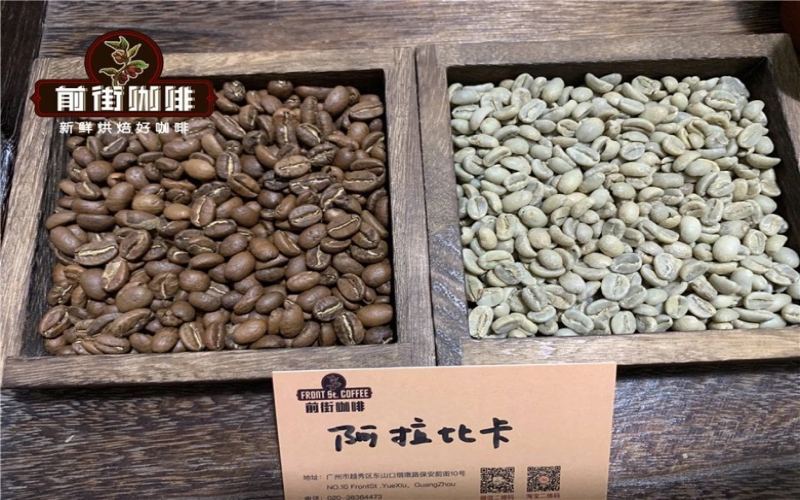
Bean blend combinations for commercial espresso blends: the ratio logic of Arabica and Robusta
There is a clear difference between commercial blends and home-use beans: they must simultaneously satisfy three conditions—flavor, cost, and consistency. And the combination of bean varieties in a blend, especially the ratio of Arabica to Robusta, is often the key to whether these three conditions can be balanced. Arabica beans are the flavor powerhouse. They bring floral notes, fruity acidity, and a solid [more…]

Espresso Bean Selection Guide: Blends, Robusta Ratios, and Extraction Parameters Explained
To make a stable Espresso or a smooth milk coffee, choosing the right beans is only the starting point. Why are most Italian-style coffee beans dark-roasted and predominantly blends? After the rise of single-origin SOE, how should one weigh the options? Drawing on Front Street Coffee's production experience, this article sorts out two bean-type combinations for Italian-style blends, the appropriate proportion of Robusta beans (within 10%-20%), and introduces one by one the ratios and flavors of four Front Street Italian-style blend beans. The latter part focuses on the extraction stage, analyzing the eight major variables of water pressure, boiler pressure, water temperature, tamping force, grind size, dose, time, and extraction yield, and provides Front Street's espresso base preparation process and brew ratio reference, helping enthusiasts find their own cup between balance and individuality. [more…]

Espresso and Americano Coffee Grounds-to-Water Ratio Explained: Grinding Key Points, Blend Selection, and Cold Brew Differences
Espresso serves as the base and can evolve into various drinks by adding water, milk, or ice, among which the coffee-to-water ratio of Americano directly determines the strength of its taste. Drawing on the practical experience of Front Street Coffee, this article explores the appropriate extraction ratio for Americano, the reference range of the Golden Cup standard, and the influence of different coffee blends on flavor. It also compares cold brew and Americano in terms of brewing methods and storage characteristics, helping coffee enthusiasts find the cup that suits their taste. [more…]

Specialty Coffee Shop Iced Americano Flavor Standard: A Guide to Water-to-Espresso Ratio, Espresso Extraction Parameters, and Blend Selection
To replicate a specialty coffee shop's iced americano at home, the key lies in understanding the essence of americano—espresso diluted with water. Starting from the Cambridge Dictionary definition, this article explains espresso extraction parameters, the golden water-to-espresso ratios for hot and iced americanos, and why blend beans are more suitable for making americano. Front Street Coffee uses 20g of grounds at a 1:2 ratio, 9 bar pressure, and a 25-30 second extraction yielding 40g of espresso as an initial reference; for iced americano, a 1:7 ratio is used, with 40g of espresso combined with 180g of ice and 100g of water. It also recommends Front Street Coffee's Strawberry Candy espresso beans, a blend of Costa Rican Tarrazú, Ethiopian, and Colombian beans, delivering a strawberry gummy-like sweet-tart flavor with dense crema. [more…]
Bean blend for commercial espresso: how to balance the ratio of Arabica to Robusta
In the formulation design of espresso blends, the ratio of Arabica to Robusta beans has always been an unavoidable topic. Each of the two bean types has its own advantages, and how to combine them to ensure both the thickness of the crema and control costs is the core of a commercial blend formula. Arabica beans are the mainstay of espresso blends. They have rich flavor layers and bright acidity. [more…]
What Are Espresso Blend Coffee Beans? Understanding Blending Purposes, Classic Recipe Ratios, and Brand Recommendations in One Article
Blended coffee beans are the cornerstone of the espresso system. This article systematically reviews the definition and essence of coffee blends, analyzes the three major purposes of blending—stable flavor, balanced taste, and cost control—and provides three groups of beginner blending ratios: sour-leaning, conventional, and bitter-leaning, as well as six classic recipes: balanced, bitter, sour, aromatic, American, and heavy-bodied. It also summarizes the four blending principles: first set the base flavor, match complementary characteristics, control the number of bean varieties, and adjust ratios flexibly. At the end, it specially recommends the freshly roasted espresso blend beans from Front Street Coffee in Guangzhou, with a cost of less than 1.5 yuan per cup, offering outstanding value for money and worthy of reference for coffee enthusiasts and people opening shops. [more…]
Standard Espresso Extraction Parameters and Brewing Methods, Front Street Espresso Blend Bean Buying Guide
Espresso is the foundation of café offerings and the subject many coffee enthusiasts delve into at home. How much dose, what water temperature, and how much pressure does a qualified Espresso actually require? How should extraction time and ratio be controlled? Starting from Front Street Coffee's hands-on experience, this article systematically sorts out the technical standards and extraction parameter logic of espresso, and introduces in detail the recipes, flavors, and suitable scenarios of four espresso blend coffee beans under Front Street, covering Dark Cocoa Blend, Specialty Blend, Commercial Blend, and Classic Blend. At the end, it also includes notes on purchasing coffee beans to help readers enjoy the best flavor within the peak flavor period. [more…]
A Beginner's Guide to Blended Coffee Beans: Blending Principles, Common Classifications, and Recommended Ratios for Newbies
Blended coffee beans are coffee products made by mixing beans from two or more origins in a certain proportion, thereby achieving a balanced taste and richer flavor layers. For enthusiasts who are new to blends, understanding the characteristics of different blending ratios, as well as the influence of roast level on flavor, is the first step in choosing what suits their own taste. Front Street Coffee has launched a number of espresso blends for home users and cafe operators, covering everything from basic entry-level options to floral and fruity styles. This article will introduce three of the most representative blending approaches, and sort out the respective suitable groups and scenarios for medium roast, dark roast, and decaf, helping beginners find their own preference direction. [more…]
How Should You Choose the Coffee-to-Water Ratio for Lattes, Americanos, and Espressos? Front Street Coffee's House Blend Beans Put Three Ratios to the Test in a Flavor Comparison
The same coffee beans, the same grind size and dose, and merely adjusting the espresso brew ratio can make a latte, an americano, and an espresso take on completely different flavor directions. Taking Front Street Coffee's specialty blend of Colombian and Brazilian beans as an example, 20 grams of grounds were extracted at three ratios—1:1, 1:1.5, and 1:2—to taste the differences in mouthfeel among espresso, latte, and americano one by one. The actual test found that: a smaller-ratio espresso has a more pronounced acidity but noticeably sweeter when made into a milk coffee; a larger-ratio espresso easily develops over-extracted woody and smoky notes; 1:1.5 performs best in terms of layering and balance. The article also shares ideas for selecting espresso beans and the characteristics of Front Street's classic espresso blend. [more…]

Blended Coffee Bean Recommendations | Which Coffee Beans Are Suitable for Espresso? What Are the Coffee-to-Milk Ratios for Lattes and Flat Whites?
For more specialty coffee knowledge, please follow: Front Street Coffee (Frontsteet Coffee). Coffee enthusiasts who have tried a flat white know that flat white is not served iced—if you add ice cubes, it will most likely become a latte, which means that a flat white is more [more…]
A Detailed Guide to Espresso Making Standards and Extraction Parameters, and a Buying Guide for Front Street Coffee's Espresso Blend Beans
As the soul of a café's offerings, espresso's preparation process and extraction standards have always been a focal point for coffee enthusiasts. Starting from international technical standards, this article will provide a detailed interpretation of how the six major extraction parameters—dose, ratio, time, flow rate, pressure, and water temperature—affect espresso flavor, helping readers understand how to make a proper Espresso. At the same time, the article will introduce several espresso blend coffee beans currently sold by Front Street Coffee, including Black Cocoa Blend, Specialty Blend, Commercial Blend, and Strawberry Candy Blend, covering specific recipes, flavor descriptions, and suitable applications. Finally, we will also remind everyone to pay attention to the roasting date and optimal flavor period when purchasing coffee beans, ensuring that every cup of coffee can present its best state. [more…]
Is Americano with Milk Good? Analysis of Espresso-to-Water Ratios and Coffee Bean Proportions for Americano
Americano coffee has always been made by combining espresso with water, offering a pure flavor with pronounced bitterness. Many coffee enthusiasts are used to adding sugar or simply switching to lattes to avoid the bitterness, but the seemingly unconventional practice of "adding milk to Americano" can actually deliver an unexpectedly smooth mouthfeel. This article explores the differences between Americano with and without milk, explaining how milk balances bitterness and enhances body. Using a medium-dark roast espresso blend as an example, it provides recommendations for the coffee-to-water ratio, dose and yield parameters, and the amount of milk to add when making an Americano. It also retains product information such as Front Street Classic Blend, Commercial Blend, Specialty Blend, and Dark Cocoa Base Blend, helping readers find the concentration and flavor profile that suits them best. [more…]
Espresso Blend Recommendations | What Are the Benefits of Blended Coffee? How to Determine the Espresso Brewing Ratio of Coffee Grounds to Water?
Espresso has a thicker texture and richer crema than drip coffee, and making high-quality espresso is inseparable from good espresso beans. Generally speaking, espresso beans are made by blending coffee from several origins to achieve a balanced flavor. Front Street Coffee (FrontStr [more…]

The Complete Guide to Making Iced Latte Coffee: A Detailed Explanation of Material Selection, Milk-Coffee Ratios, and Operational Details
An iced latte may seem to require just three steps—adding ice, pouring milk, and pouring coffee—but making a delicious one involves careful consideration from ingredient selection to ratios to operational details. Starting from the pairing of coffee beans and milk, this article introduces espresso blend options for different flavor profiles, including the characteristics and suitable scenarios of Front Street Specialty Blend, Front Street Dark Cocoa Blend, Front Street Classic Blend, Front Street Commercial Blend, and Front Street Strawberry Candy Espresso; it then provides a reference ratio for Front Street Iced Latte—35g espresso, 250ml fresh milk, and 75g ice cubes—and explains how adjusting the ratio affects the flavor; finally, it emphasizes the key roles of espresso extraction quality, preparation speed, and ice soaking time in the final taste and layering effect, helping coffee enthusiasts consistently reproduce a beautiful and delicious iced latte in their daily brewing. [more…]